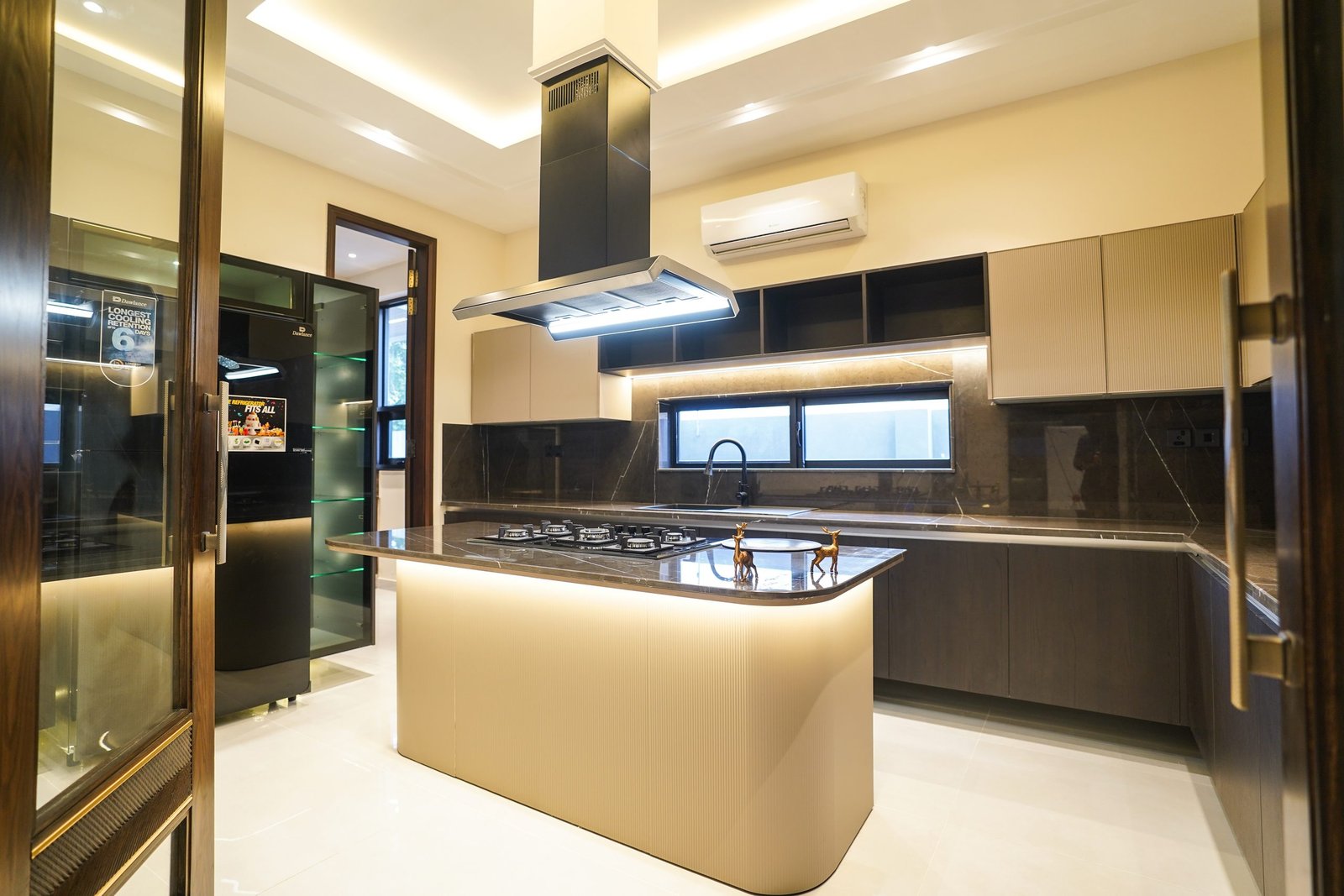
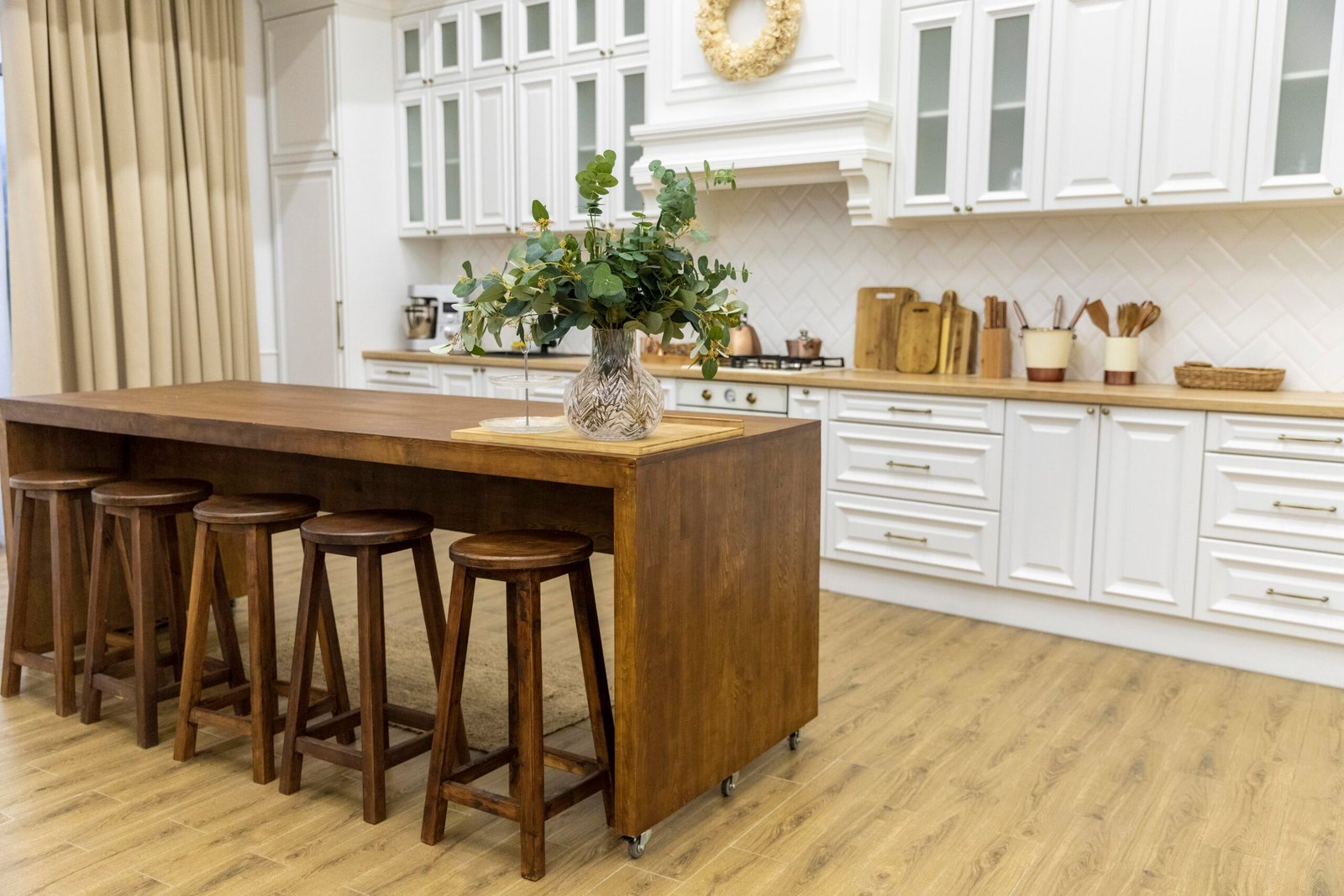
10 Kitchen Design Mistakes to Avoid (Expert Tips for Dubai Homes)
A well‑planned kitchen in Dubai saves time, reduces stress, and increases property value. You can avoid many kitchen design mistakes with a clear brief, realistic budget, and laser-sharp focus on workflow, ventilation, and materials suited to Dubai’s climate and building types.
Why Kitchen Planning Matters
A thoughtfully planned kitchen can turn your daily cooking chores into a daily pleasure. In Dubai’s apartments and villas, where space, climate, and building rules vary widely, early planning prevents costly rework, reduces long lead‑time surprises, and protects your investment.
Good planning starts with how the space will be used, not how it will look. Mapping routines, traffic paths, and service needs before finalising materials, finishes, and accessories can help avoid the most common kitchen design mistakes and keep your project focused on function as well as form.
This guide walks you through the top ten kitchen design mistakes and explains why they matter. It also shares practical fixes you can use when preparing for an expert consultation to turn your dream of having a modern kitchen in Dubai into a reality.
Top 10 Kitchen Design Mistakes
Ignoring Kitchen Workflow (Common Kitchen Design Mistake)
Why It Matters
A poorly arranged kitchen work triangle, coupled with unplanned prep areas, forces extra steps and creates bottlenecks during rush hours, according to our W Kitchens experts. In Dubai apartments and villas alike, inefficient flow increases heat exposure, slows service when entertaining, and magnifies friction when multiple people cook.
An unclear workflow is one of the fundamental mistakes that our expert-led kitchen design tips ask you to avoid. It makes cleaning harder, turns routine tasks into time‑consuming chores, and reduces usable counter time. Finalising a layout without mapping daily routines and identifying who cooks ignores real movement patterns, resulting in cluttered counters and wasted space.
Tips to Avoid – Plan Workflow First
Design the workflow based on how you will use your kitchen. Begin by mapping your daily cooking routines and traffic paths. Stick to the kitchen triangle for proper placement of sink, hob, and fridge, minimising steps. When defining zones, remember to consider service access and entertaining patterns.
Let your kitchen designer ideate the layouts based on this workflow map to avoid focusing on aesthetics alone and steer clear of one of the most prevalent kitchen planning mistakes.
Choosing The Wrong Layout in Kitchen Design
Why It Matters
Placing an island in a narrow kitchen or having your appliances located far apart in a big U-shaped kitchen can affect circulation and sightlines. Choosing the wrong layout can cause safety hazards, create problems due to inadequate storage, and disrupt your cooking flow.
Focusing on aesthetic appeal alone while sacrificing functionality often makes people fall prey to kitchen layout mistakes. When your chosen layout doesn’t suit your cooking requirements or lifestyle, it reduces daily comfort and will need costly renovations to fix.
Tips to Avoid – Match Layout to Space
Ensure the layout meets your practical day-to-day kitchen chores. For instance, Dubai apartments with tight or narrow kitchen spaces can have the L‑shaped layout, while kitchen islands work best when there’s at least 1m clearance on all sides. For tight spaces, consider having a slim island or mobile cart as a prep surface without blocking flow, advise W‑Kitchens experts.
Before choosing your kitchen layout, try mock‑ups in your Dubai apartment or villa to confirm circulation and ease of use, advise our experts.
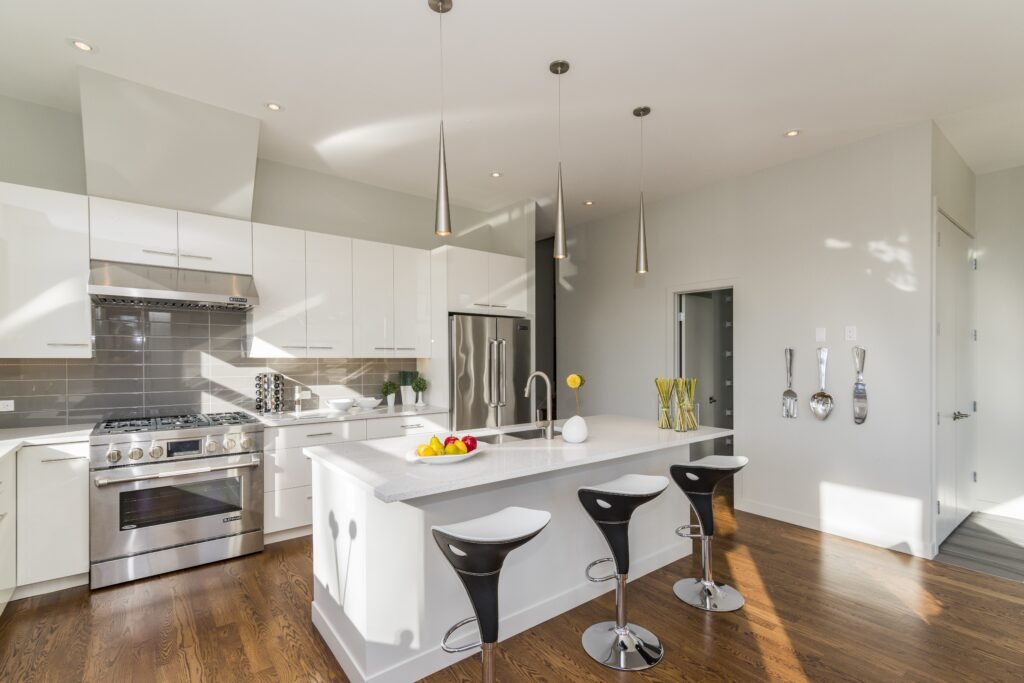
Poor Kitchen Storage Planning Mistake
Why It Matters
Shallow cabinets or those with deep dead‑space, absence of concealed organisers, missing spice zones, and no appliance garages are common kitchen design mistakes when you ignore storage planning. The result of these seemingly small kitchen mistakes is cluttered counters and slow cooking.
If you enjoy multi‑cuisine cooking, entertain frequently, or prefer your daily cooking chores to be handled fast, a lack of organised storage near your prep and cooking zones can make every meal tiring and time-consuming.
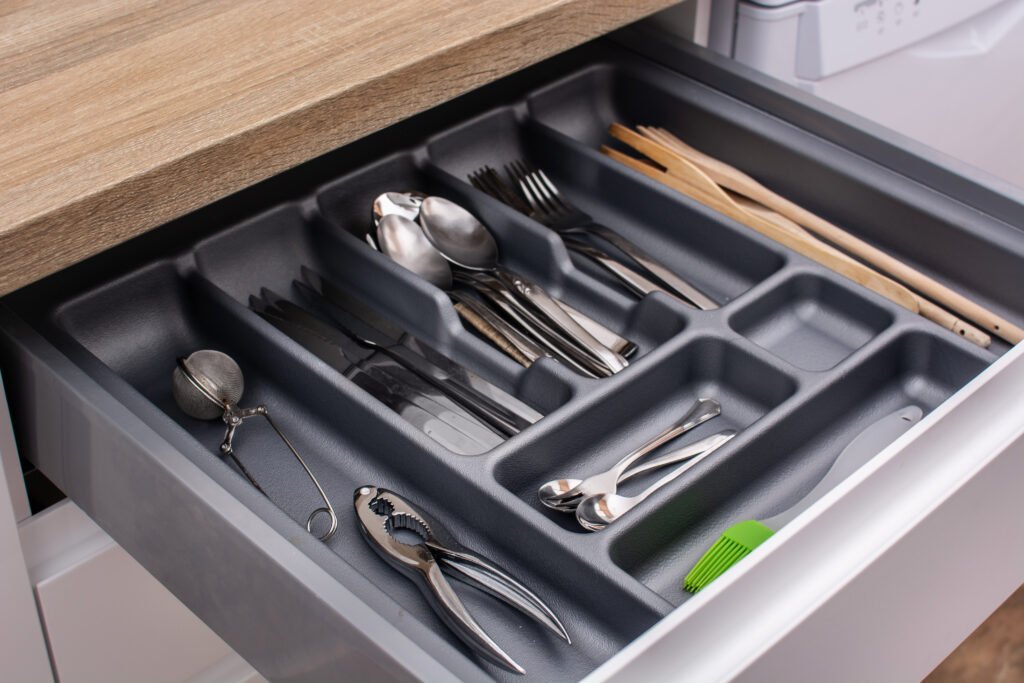
Tips to Avoid – Design Storage Around Use
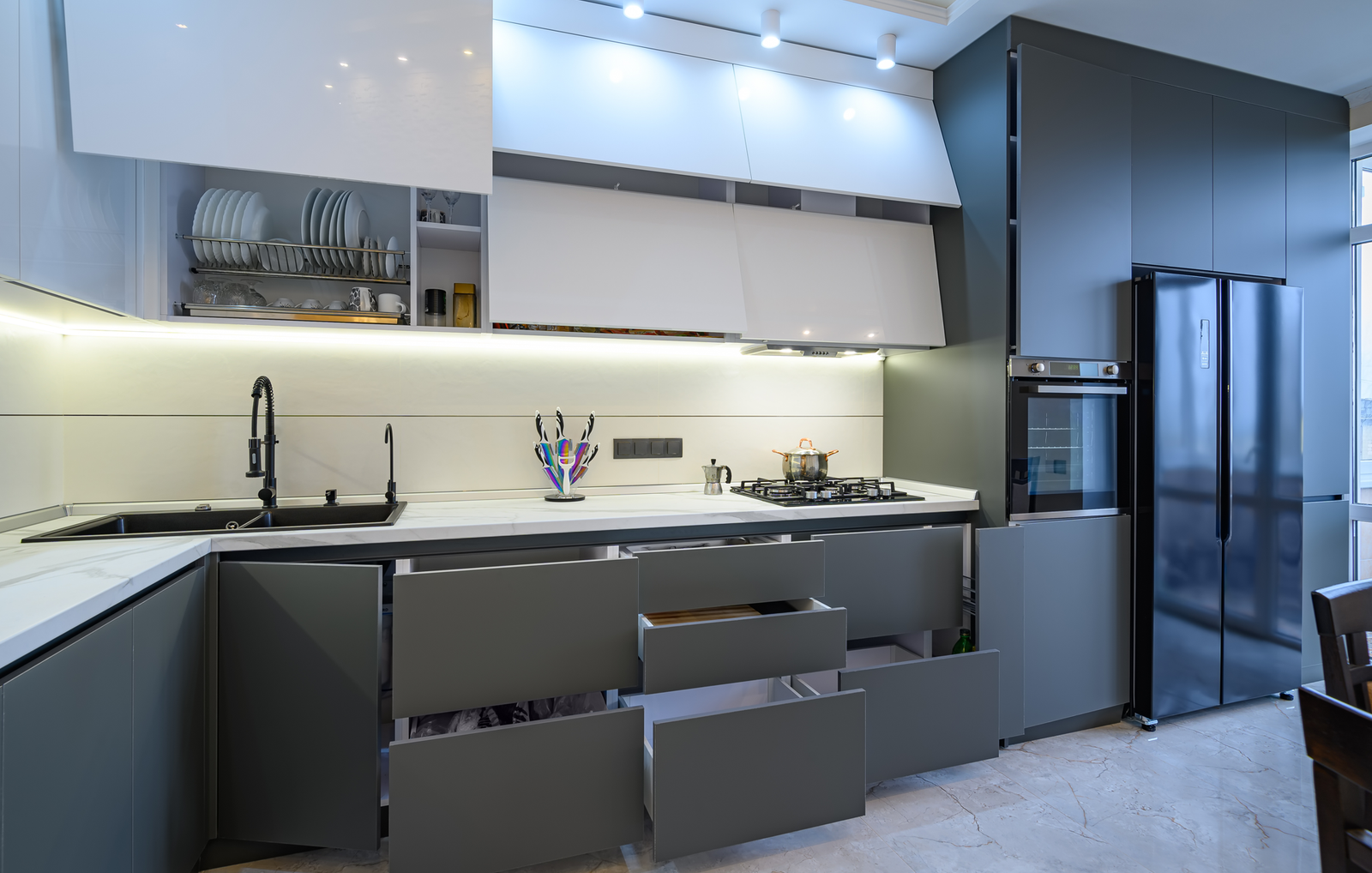
Plan intelligent storage options, including pull-out drawers, spice racks near the hob, concealed organisers, and tall pantries. Appliance garages are equally vital to keep your counters clear. It’s wise for spacious Dubai households to have bulk storage for larger grocery runs.
Expert-led kitchen design tips caution against forgetting to label zones on your plan. Such labelling ensures every item in your kitchen has a home, making your daily tasks stay efficient.

Choosing Wrong Kitchen Materials for Dubai Climate
Why It Matters
Hurried kitchen designs in Dubai can miss planning for the region’s heat, humidity, and coastal salt air that damages and accelerates wear when you work with the wrong materials. The result of such choices is evident when your kitchen door becomes swollen, cabinet finishes fade, and hardware is corroded after a few years of use.
Choosing the wrong materials creates long‑term maintenance headaches. But that’s not all. They will cost you a lot when you try replacing them with more suitable and sturdy materials.
Tips to Avoid – Get Materials Suitable for Local Climate
Choose premium German wood panels with top-quality finishes (PU paint, melamine, or veneer), along with Italian and Spanish countertops (quartz, granite, or porcelain) to resist Dubai’s humidity and sun exposure. Invest in premium German kitchen accessories and corrosion‑resistant hardware for durability, made readily available by W Kitchens.
You can ask your designer for material samples and maintenance expectations before making a final choice.
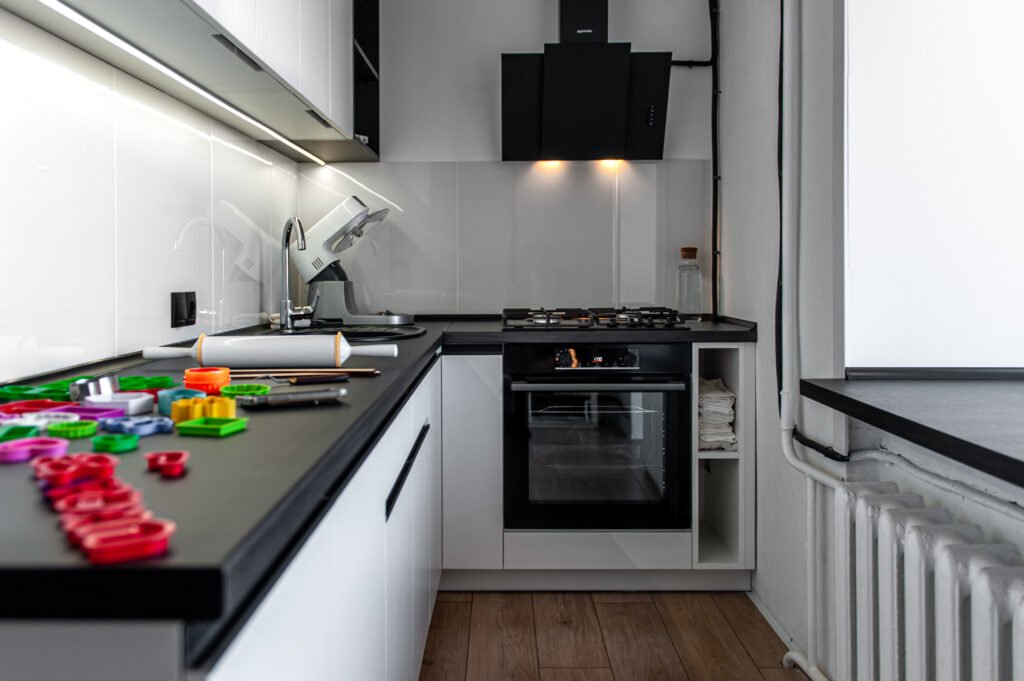
Lack Of Lighting Planning
Why It Matters
Kitchen design ideas in the UAE that ignore efficient lighting often end up prioritizing visual appeal over functionality. For instance, relying solely on ceiling lights can cast shadows on worktops or create dark patches on the counter. Again, in the absence of task lighting, you suffer from poor visibility, which makes prep, cooking, and cleaning difficult.
When you focus on aesthetics alone without making your kitchen welcoming and functional, lighting planning could take a backseat, which is one of the major kitchen mistakes to avoid.
Tips to Avoid – Layer Your Lighting
Combine task, ambient, and accent lighting. Don’t forget pendant lights for islands and under‑cabinet strips for prep areas. In high‑rise Dubai units, maximise daylight where possible, and supplement with warm task lights.
Install the downlights, sconces, or pendant on separate circuits, which makes controlling your lighting levels and kitchen ambiance easier. Plan lighting circuits early to ensure switches and fixtures align with appliances and cabinetry.
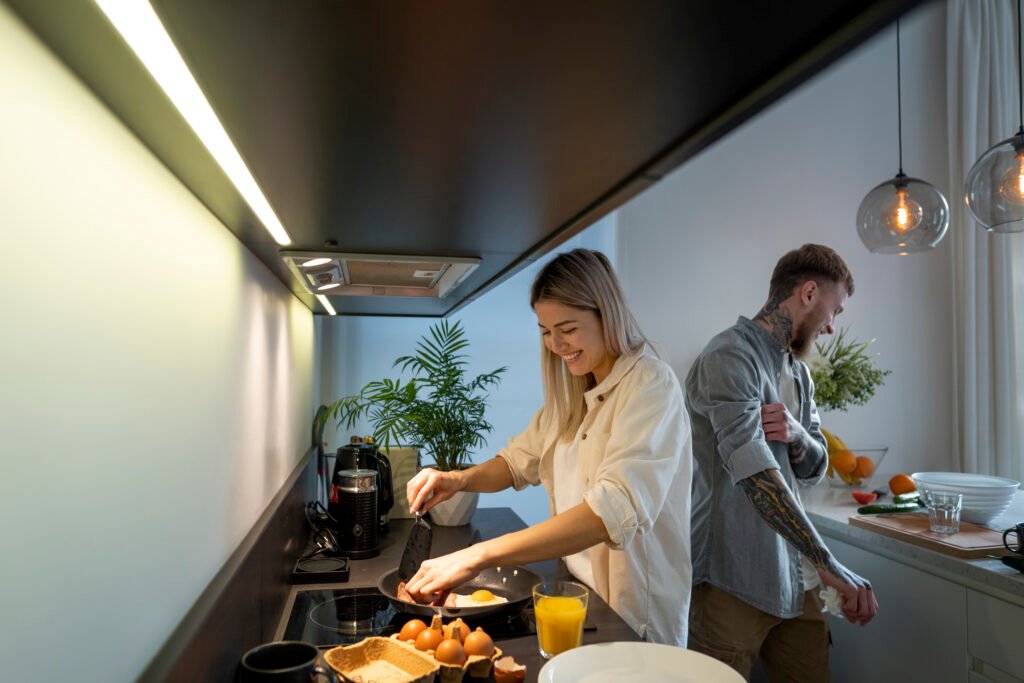
Ignoring Ventilation
Why It Matters
Ventilation is perhaps the most overlooked element in kitchen planning, say our experts. Since kitchens in Dubai apartments and villas use strong spices and frequent frying, they require high extraction. If your kitchen has poor ventilation, it can cause lingering odours, heat, and smoke, making the space feel greasy, warm, and closed in.
Moisture buildup, sticky cabinets, and poor air quality are other results that this kitchen design mistake triggers.
Tips to Avoid – Prioritise Ventilation
Specify a hood sized and rated to your hob and plan duct routes and shaft access (in high‑rise buildings) during the design phase. If ducting isn’t possible, choose premium recirculating systems and replaceable grease and carbon filters. For Dubai households with no option of open windows in the kitchen (especially during summer), installing extractor fans can help.
Include easy access for cleaning and maintenance of your kitchen ventilation system to keep the extraction effective in the long run.
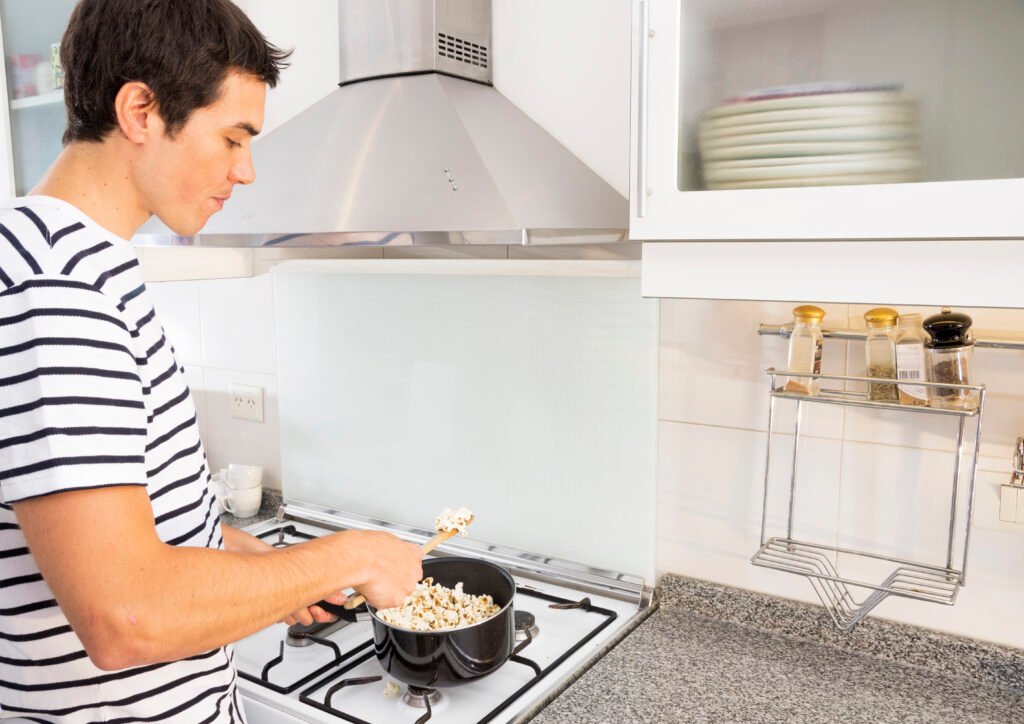
Overlooking Appliance Placement
Why It Matters
Built‑in appliances are a hallmark of modern kitchens in Dubai, but their placement needs to be right. A fridge positioned far from the prep area, an oven that makes you bend at awkward angles, or a socket that’s hard to reach are kitchen design mistakes that W Kitchens experts notice often during Dubai kitchen remodelling projects.
Slower movement, disrupted workflow, and safety hazards caused by incorrect appliance placement can make your kitchen feel cluttered and unsafe.
Tips to Avoid – Position Appliances the Right Way
Position your oven at a comfortable height, ensure the dishwasher is adjacent to the sink, and the fridge is near the prep zone. Confirm your kitchen’s electrical and gas lines are planned according to the building rules in Dubai.
Facilitate service access and install removable panels, which can help in appliance repair without dismantling cabinetry.
Not Planning for Future Needs
Why It Matters
Designing your kitchen for today is easy with numerous kitchen design ideas in the UAE, but ignoring how your needs will evolve can be risky. Difficult-to-reach shelves, inadequate storage areas, and the absence of charging points or provisions for smart appliances can make life difficult as you age, expand your family, or just want to have an appliance upgrade.
Ignoring future needs can make your kitchen become uncomfortable, inefficient, or obsolete as your physical mobility, family size, or lifestyle changes.
Tips to Avoid – Future‑Proof Your Kitchen Design
Plan for adjustable shelving, removable panels, and accessible storage to make your kitchen work for different mobility levels and family sizes. Reserve space for additional appliances, add extra power points, and select modular cabinetry that can be reconfigured.
Mention your kitchen’s smart- and future-readiness like a charging hub in the island, smart sensors, or storage space for future smart appliances to help the designer integrate them without compromising the initial layout.
Poor Budget Planning
Why It Matters
To withstand the hot and humid climate of Dubai, your kitchen needs high-grade materials and premium finishes. But failing to plan for the long lead times when acquiring imported materials and top-notch finishes can cause project delays, mid‑project scope creep, or low‑quality substitutions.
Failing to set a realistic budget and neglecting these risks can force you to compromise on the style and functionality, undermining the entire design. This kitchen design mistake could even push you to execute a premature renovation.
Tips to Avoid – Set A Realistic Budget and Timeline
A realistic budget includes defining the cost bands, with a 10-15% built-in contingency. Another vital step is to confirm lead times for imported materials, finishes, and appliances. W Kitchens experts strongly advise you to factor in installation and aftercare costs common in Dubai projects.
To reduce your exposure to stalled or delayed work, request a phased payment schedule tied to milestones. This will help keep your project on track.
Hiring Without Research
Why It Matters
Dubai kitchen design projects require familiarity with local permits and building rules. It’s a big mistake to choose contractors or interior designers without checking portfolios, warranties, or aftercare. This way, you risk poor workmanship and blurred responsibilities.
Hiring a lone professional or an entire team not suited to your needs and budget can be a big headache, making your timeline and budget go haywire.
Tips to Avoid – Vet Professionals Thoroughly Before Hiring
Review portfolios, ask for references, and confirm warranties and maintenance plans before moving ahead. Ensure your chosen professional or team knows how to get the local permits and adheres to the building regulations in Dubai.
To protect your investment, ask for a clear contract with scope, timelines, and aftercare responsibilities.
Conclusion
A thoughtfully planned kitchen avoids daily friction, reduces long‑term maintenance costs, and increases your property’s value in Dubai. Use the checklist above to spot and fix the most common kitchen design mistakes, from workflow, layout, and storage to materials, lighting, ventilation, and more. Treat each of the above modern kitchen design tips as a requirement, not an afterthought.
When you are ready to move from ideas to a practical plan, W Kitchens offers a no‑obligation kitchen design consultation in Dubai. Our team will review your space, lifestyle, and expectations to recommend suitable materials, draft an aesthetic and functional design, and suggest a realistic timeline and budget.
Book your consultation with us today to get a tailored plan that avoids these ten kitchen design mistakes and delivers a modern, durable, and functional kitchen with an unbeatable visual appeal.
FAQs
Aim for at least 1 metre (39.37 inches) of clear circulation on all sides. In tight Dubai apartments, a mobile or slim island can help preserve flow.
Use moisture‑resistant finishes like PU‑coated German panels, melamine, or high‑quality veneer, and durable countertops like quartz, granite, or porcelain to resist humidity and coastal salt.
Yes. Where ducting isn’t feasible, opt for a premium recirculating system with replaceable grease and carbon filters, and plan for easy maintenance access.
Build in 10-15% contingency for lead times, imported materials, finishes, and appliances, and unexpected site issues.
Reserve space and power for additional appliances, use adjustable shelving and modular cabinetry, and add provisions for smart appliances and charging hubs.
Local specialists understand Dubai building rules, permit processes, and climate‑proof material sourcing. At W Kitchens, we combine this local knowledge with proven workflows and aftercare plans to reduce delays and protect your investment.